BLOG
AI Therapy Blog
Mental health and technology, offering actionable therapy practice management tips for modern clinicians.
Why Follow Our Blog?
The landscape of mental healthcare is shifting. As digital tools become more prevalent, therapists need a reliable source to understand how AI tools for therapists can enhance, not replace, human connection. Our articles cover:
Automated Documentation
How to save hours on paperwork using AI.
Ethics & Compliance
Navigating HIPAA regulations and data privacy in a digital age.
Practice Growth
Strategies to modernize your clinic and improve client retention.
From streamlining administration to understanding the latest in mental health technology, our goal is to help you navigate the future of care. To see how our automated tools can support your practice directly, visit our Features page.
Latest Articles

Best AI SOAP Note Generators for Therapists in 2026
Compare the best AI SOAP note generators for therapy practices in 2026 on therapy SOAP fit, clinician control, format flexibility, and privacy.

Best Therapy Software UK 2026: 10 Tools for Private Practice Therapists
Compare the best therapy software UK therapists use in 2026 across practice management, AI notes, GDPR, private payers, and clinical workflow fit.

Best AI Treatment Planning Tools for Therapists in 2026
Compare AI treatment planning tools for therapists in 2026 across SMART goals, progress-note linkage, outcome measures, HIPAA posture, and workflow fit.

Best Therapy Software Australia: 9 Tools for 2026
Compare the best therapy software Australia options for 2026: Halaxy, Power Diary, Cliniko, AI notes, Better Access fit, privacy, and practice fit.
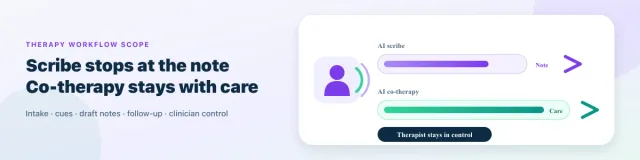
AI Co-Therapy vs AI Scribes: What Therapists Need to Know
A therapist-first comparison of AI co-therapy and AI scribes, including workflow, privacy, clinical control, and where Emosapien fits.

Clinician Burnout Therapy Documentation: What Therapists Need from AI
Therapists need AI documentation that protects presence, continuity, and clinical judgment, not another tool that fragments care.
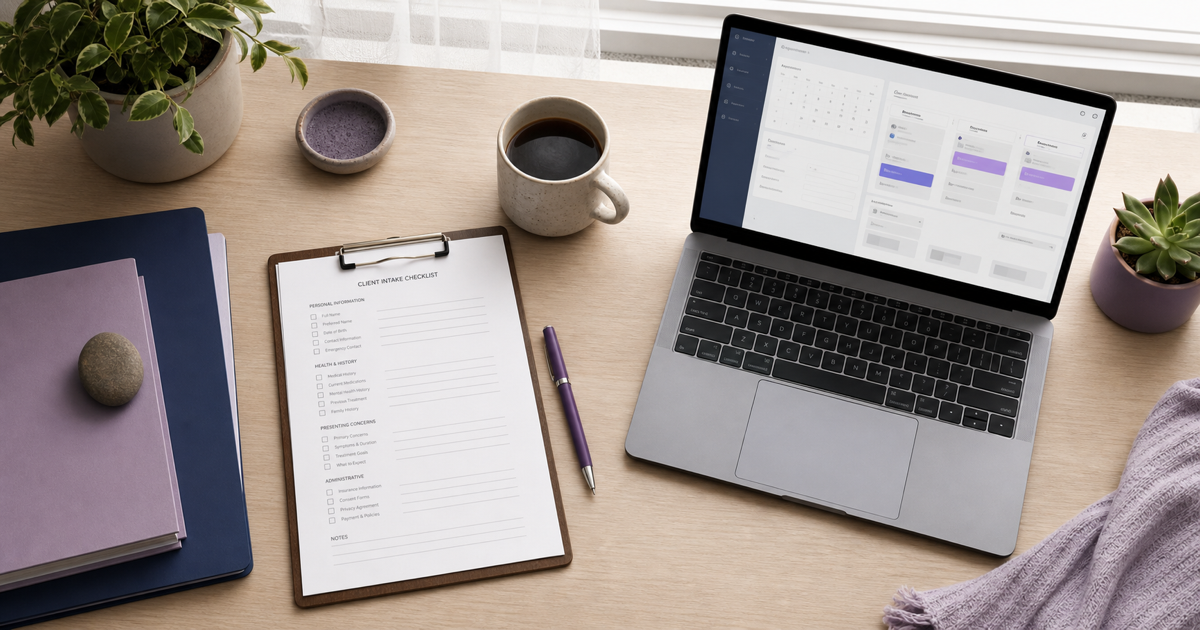
The Therapy Intake Checklist Every Practice Needs in 2026
A practical therapy intake checklist covering consent, screening, risk, and logistics, plus the operational tradeoffs that decide whether intake holds up.

AI Treatment Plan Generator: What It Does, What to Look For, and Where the Category Is Heading
An honest guide to the ai treatment plan generator category for 2026: what these tools really do, what to keep and cut, and where things are heading.
Best AI Patient Engagement Software for Therapists (2026)
Six AI patient engagement options help therapists connect check-ins, outcome measures, documentation, and client portals across the therapy week.

Measurement-Based Care With AI: What Actually Changes for Therapists in 2026
Measurement-based care with AI auto-scores PHQ-9 and GAD-7, plots trends, and surfaces them in your pre-session brief. Built for therapists.

Best Behavioral Health Software for Therapy Practices (2026)
Compare the best behavioral health software for therapy practices in 2026 across practice management, AI mental health software, and outcomes tools.

Best EHR for Private Practice in Mental Health: A 2026 Shortlist for Therapists
Eight therapy-focused EHRs reviewed: SimplePractice, TherapyNotes, Halaxy, Power Diary, Jane, TheraNest, Practice Better, and Upheal.