Topic hub
Couples, family and teen therapy resources
A focused library for clinicians working with relationships, families, children, and teens. Start with the population and clinical task that best fits the session ahead.

About this library
Couples, family, and adolescent sessions ask clinicians to hold more than one perspective at once. These family and teen therapy resources bring together practical guides for relationship work, family systems, child and teen sessions, and population-specific planning. They are organized by the question you need to answer next: what to do with a couple in conflict, how to work with a family pattern in the room, how to shape a developmentally appropriate child or teen session, or how to begin with a clearer intake and plan.
For a broad family-systems starting point, begin with family therapy techniques. If the next hour calls for a contained practice task with two partners, use communication exercises for couples. For work with adolescents, adolescent therapy techniques helps you consider privacy, caregiver roles, alliance, and developmental demand. When a child communicates more readily through play, play therapy techniques offers a focused place to start. Choose one guide that fits the live clinical task, then adapt it to the people and setting in front of you.
Start here
A practical first read

Family Therapy Techniques for the Next Session
Choose family therapy techniques for the next session: model, session move, example line, and when to use each one with the family in the room.
Read the guide →

Communication Exercises for Couples You Can Run This Hour
Communication exercises for couples you can run in the hour: speaker-listener, a soft start-up, appreciation, and a capped daily check-in.
Read the guide →

Adolescent Therapy Techniques: Stage-to-Session Guide
Choose adolescent therapy techniques by developmental stage, alliance, safety, and caregiver context, with worked examples and a printable selector.
Read the guide →

Play Therapy Techniques You Can Run This Hour
Run play therapy techniques with a child this hour. Each activity has a goal, age band, materials, steps, and the line you say to the caregiver.
Read the guide →
Couples, family & teen
Couples and relationship work
Use this section to choose a focused move for the relationship in front of you, from a contained communication exercise to a conflict or attachment-oriented frame. Keep the task small enough to observe and debrief in the hour.

CBT in Couples Therapy: Four Core Interventions
Run CBT in couples therapy with communication training, problem solving, cognitive restructuring, and behavior exchange, each with a session plan.

Sound Relationship House Theory: Seven Levels You Can Run
Use sound relationship house theory in the couples hour: seven levels, two walls, what each looks like, and one intervention you can run.

Couples Therapy for Conflict Resolution: The Session Card
Run couples therapy for conflict resolution when the fight is already in the room: de-escalate, name each need, then one repair to review next session.
Communication Exercises for Couples You Can Run This Hour
Communication exercises for couples you can run in the hour: speaker-listener, a soft start-up, appreciation, and a capped daily check-in.

Ground Rules for Couples Therapy: What You Say in Session 1
Set ground rules for couples therapy in the first hour: no secrets, a pause with a return, no blame, one check-in, and safety, with the line you say.

Imago Therapy Dialogue for the Couples Hour
Run an imago therapy dialogue in the couples hour: mirror, validate, empathize, with your prompts, a filled exchange, and when to slow the turn.

Emotionally Focused Couples Therapy Techniques
Use emotionally focused couples therapy techniques to map negative cycles, stage interventions, document response, and choose one reviewable next move.

Gottman Four Horsemen Worksheet for the Hour
Coach each Gottman horseman this hour: what it sounds like, the antidote, a practice line, and which Sound Relationship House floor is thin.
Couples, family & teen
Family systems and session tools
These guides focus on patterns among family members rather than locating the problem in one person. Find session moves, maps, and model overviews for planning what to do with the family in the room.
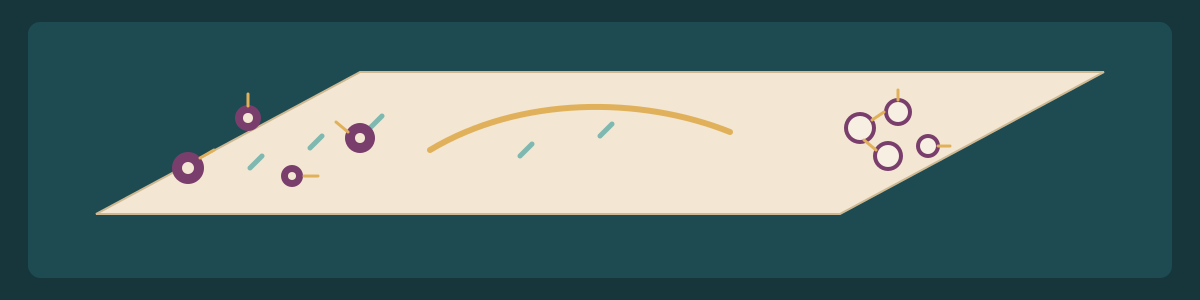
Family Sculpting in Session: Sequence and Note Line
Run family sculpting in session with a sculptor, distance marks, reactions, one hoped-for re-sculpt, debrief questions, and a note line.

Boundaries in Family Systems Theory
Work clear, rigid, and diffuse boundaries in family systems theory: how each shows up in session, and one structural intervention for that line.

Enactment Therapy: Three Steps in a Family Session
Use enactment therapy in structural family therapy: set up who talks to whom, let the sequence run, then intervene on one move and note what it showed.

Multidimensional Family Therapy for This Adolescent Hour
Use multidimensional family therapy this hour: four domains, the session move, the three stages, and the official training link.
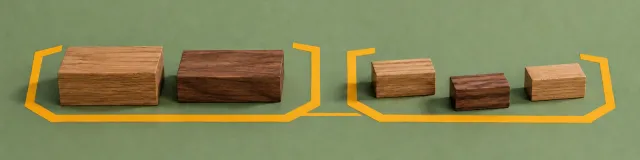
Structural Family Therapy Techniques: Session Map
Draw the structural map in session: boundaries, coalitions, hierarchy, and the enactment that follows. A filled example for the clinician in the room.
Family Therapy Techniques for the Next Session
Choose family therapy techniques for the next session: model, session move, example line, and when to use each one with the family in the room.

Strategic Family Therapy Techniques for This Hour
Run strategic family therapy techniques this hour: one reframe, directive, paradox, or ordeal, with the line to say and when to stop.
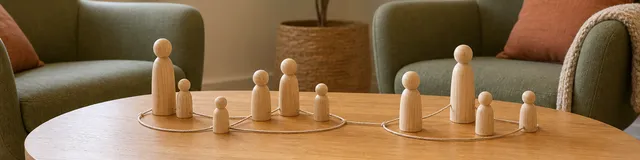
Family Therapy Genogram Template: Clinician Guide
Use a family therapy genogram template with a symbol key, three-generation map, worked example, and consent and privacy prompts for clinicians.
Couples, family & teen
Child, teen, and caregiver sessions
Child and adolescent work changes with development, privacy, caregiver involvement, and the young person’s readiness to participate. Start with the guide that matches the age, setting, and clinical task for this session.

Filial Play Therapy: Train Parents to Run Play Hours
Use filial play therapy to train a parent to run child-centered play sessions: phases, four skills, 30-minute structure, and the note you write after.
Play Therapy Techniques You Can Run This Hour
Run play therapy techniques with a child this hour. Each activity has a goal, age band, materials, steps, and the line you say to the caregiver.

TF-CBT Trauma-Focused CBT Guide: Sequence PRACTICE
Sequence a TF-CBT course with a child and caregiver: PRACTICE order, when to start the narrative, conjoint sharing, and a printable pack.
Adolescent Therapy Techniques: Stage-to-Session Guide
Choose adolescent therapy techniques by developmental stage, alliance, safety, and caregiver context, with worked examples and a printable selector.
Couples, family & teen
Population-specific intake and plans
Use these planning tools before treatment starts or when the work needs a clearer shared direction. They cover intake questions, family context, and practical ways to describe goals for couples and family work.

Eating Disorders in Teens: Session Assessment for Therapists
Assess eating disorders in teens: warning signs, teen and parent questions, same-day medical referral, family-based treatment, and what the note records.

Couples Therapy Treatment Plan Example (Gottman and EFT Modality Framing)
Couples therapy treatment plan example with relationship-as-patient framing, Gottman and EFT conceptualization, and conjoint billing ethics.

Adolescent Therapy Intake: Form Template & Family-Systems Guide
An adolescent therapy intake form template plus a family-systems guide to consent, confidentiality, school context, and risk screening for teen clients.

Family Therapy Intake Form: Template & Family-Systems Guide
A family therapy intake form template plus a family-systems guide to consent, confidentiality, the identified-patient trap, and pre-session orientation.
Frequently asked questions
Use these links to choose a guide for the next clinical or practice task.
Which guide should I use first for a couples session?
What can I use when a family is stuck in the same interaction?
How should I balance teen privacy with caregiver involvement?
What belongs in an intake for family therapy?
How do I choose an approach for a younger child?
Where can I find help mapping family relationships?
Keep the clinical work moving
Emosapien helps therapy practices turn session context into clinician-reviewed notes and a more connected workflow.