Topic hub
Therapist training resource library
A focused library for clinicians planning professional development. Browse modality refreshers, training routes, supervision, and continuing-education decisions before you commit time or budget.

About this library
Professional development is easier to use when it begins with a real question from your work: a client population you want to understand better, a skill you want to practice, or a supervision need you have not named yet. This therapist training resource library brings together modality refreshers, clinical skills, cultural practice, course comparisons, and supervision resources so you can choose a focused next step instead of collecting disconnected certificates.
If you are mapping the year ahead, begin with a professional development plan for therapists. If you are clarifying how you work, use the counseling theories guide to connect a framework with the techniques you use. When a course is on your shortlist, compare the training route in the motivational interviewing certification guide or the IFS training guide. Use the sections below to move from foundations to a practical plan, then bring questions about scope, credentials, and supervision to the people and boards responsible for them.
Start here
A practical first read

Professional Development Plan for Therapists
Build a one-page professional development plan for therapists: one focus theme, one try, one reading, a monthly check-in, and a CPD/CEU log you own.
Read the guide →

Counseling Theories for a Bio, Interview, or Supervision
Name counseling theories for a bio, an interview, or supervision. Each card has the core idea, the view of change, techniques you use, and one line.
Read the guide →

Motivational Interviewing Certification: How to Compare Training
Compare motivational interviewing certification options by hours, practice review, MINT pathway, CE credit, cost, and employer-facing proof.
Read the guide →
IFS Training for Therapists: Levels, Hours, Cost
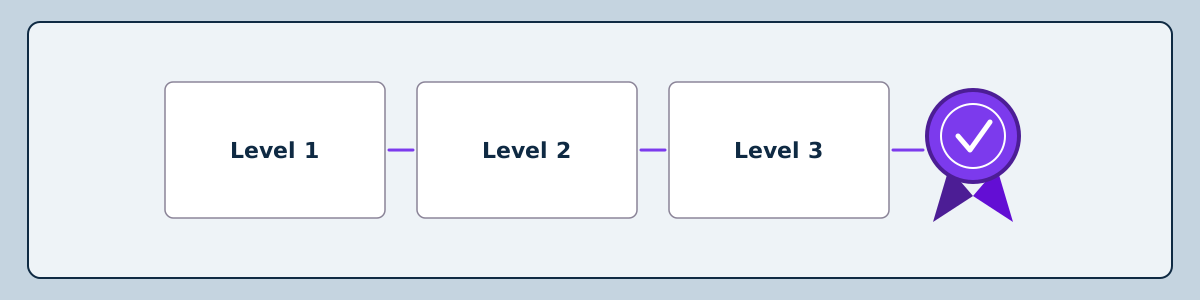
Compare IFS training for therapists across Level 1, Level 2, and Level 3 hours, consultation, tuition, and your next step before you enroll.
Read the guide →

Counseling Supervisor Credentials, Hours, and What to Ask
Choose a counseling supervisor by the credential your board accepts. Compare LPC-S, ACS, and CPCS hours, then ask before you sign.
Read the guide →
Training & certification
Modality foundations and refreshers
Use these guides to refresh the ideas and methods you already use, or to put language to an orientation you want to discuss in a bio, interview, or supervision.

Eating Disorder Therapy Techniques for Outpatient Therapists
Eating disorder therapy techniques across CBT-E, DBT-informed skills, and family-informed support, with contraindications and referral red flags.
Person-Centered Therapy Techniques for the Hour
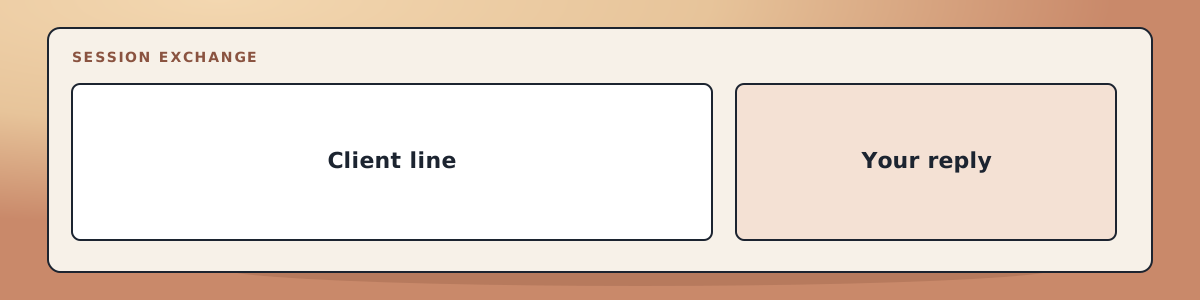
Four person centered therapy techniques for the next session, each with a client line, a reply, and a cue for when to use it.

Solution Focused Therapy Techniques for the Hour
Use six solution focused therapy techniques in the hour: miracle, scaling, exceptions, coping, a compliment, and a task, each with a short script.

Gestalt Therapy Techniques for This Hour
Use gestalt therapy techniques in session: five core moves, when to hold back, and a worked empty-chair example you can run this hour.

Existential Techniques for This Hour
Use five existential techniques in session: phenomenological method, paradoxical intention, dereflection, confronting the givens, and meaning work.

Modalities of Therapy: Choose What to Train In
Compare modalities of therapy before you enroll: what each treats best, evidence strength, typical training route, and the credential it leads to.

Narrative Therapy Externalization You Run This Hour
Run narrative therapy externalization in four stages, with questions you can say and an annotated excerpt. Skip it when the name is still a diagnosis.

Cognitive Therapy vs Cognitive Behavioral Therapy: Note Label
Pick the note label for cognitive therapy vs cognitive behavioral therapy: origin, focus, techniques, and a worked hour of each.

EFIT Therapy: Emotionally Focused Individual Therapy
Use EFIT therapy in an individual hour: name the inner cycle, stage one intervention, keep the work inside its scope, and send couple-cycle jobs elsewhere.

Therapy for Death Anxiety: Sequence and When to Switch
Run therapy for death anxiety as a six-session sequence: map the fear, drop checking, test a death prediction, and switch when it is grief, panic, or OCD.

Non Directive Therapy: What You Do and What You Skip
Practice non directive therapy in the next hour: the six conditions, a do-and-skip card, an annotated exchange, and when a directive test fits better.

Self Schema: Hear It in Session, Then Test One
Work with one self schema in the hour: hear it in the client's words, name it, pick a session move, and test it. Keep schema modes on Young's map.
Show all 18 guides in Modality foundations and refreshers

Psychodynamic Approach: Five Moves for This Hour
Five session moves for a psychodynamic approach: free association, interpretation, the defense you can see, transference, and alliance repair.

Narrative Therapy Techniques for This Hour
Run four narrative therapy techniques in session: externalizing, mapping the influence, unique outcomes, and re-authoring, each with a question and reply.

ACT Therapy Basics for Therapists: A Clinical Refresher
Review ACT for therapists, including psychological flexibility, defusion, values, acceptance, committed action, and session decision points.

Grief Therapy Techniques: Assessment, Complicated Grief, and Meaning-Making
A therapist's guide to grief therapy: assessment, complicated-grief red flags, meaning-making, ritual work, and defensible documentation.

DBT Basics for Therapists: A Clinical Refresher
Review DBT basics for therapists, including dialectics, treatment hierarchy, skills training, diary cards, and when DBT-informed care is not enough.

CBT Basics for Therapists: A Clinical Refresher
Review CBT basics for therapists, including formulation, thought records, behavioral experiments, and when cognitive work is the wrong fit.
Training & certification
Trauma and compassion-based approaches
Explore trauma-focused and compassion-based approaches before you add a new framework to your work. Start with the model, its clinical language, and the questions it raises for your current scope.

Compassion Focused Therapy Basics for Shame-Resistant Introductions
Use compassion focused therapy basics to introduce self-compassion when shame spikes, with smaller scripts, stop rules, and a printable session pack.

Schema Therapy Basics for Therapists: Name the Mode, Then One Move
Identify which schema mode is driving a stuck hour. Schema therapy basics for therapists: read the mode, pick one intervention, and know when to stop.

List of Schemas: 18 Names, Client Language, and One Question
Use the list of schemas in session: 18 early maladaptive schemas, domain, how each sounds, one question, then a working formulation.

Types of Trauma Therapy: Who Fits, Evidence, and Training
Compare types of trauma therapy (TF-CBT, CPT, PE, EMDR, NET, somatic) by who fits, guideline evidence, and training route, then run one grounding hour.

Schema Therapy for Borderline: Modes, Phases, and the Hour
Run schema therapy for borderline: name the mode, match limited reparenting or chair work, follow one session sequence, and use the trial evidence.

ETT Therapy: Training, Sessions, and Evidence
Decide whether ett therapy is worth the training year: session structure, seven-module cost, and how the evidence sits next to PE, CPT, and EMDR.

What Happens in an EMDR Therapy Session
What happens in an EMDR therapy session from your chair: opening check, target activation, sets, incomplete close, and a between-session log.

IFS and PTSD: Trials, Claims, and the Client Conversation
Read the IFS PTSD trials, the neuroscience claims they do not support, and a client script that stays inside the evidence.

EMDR Basics for Therapists: A Workflow-Safe Clinical Refresher
Review EMDR phases, readiness, documentation, measurement, privacy-aware workflow choices, and therapist training boundaries.

Trauma-Informed Care Basics: A Clinical Refresher for Therapists
A clinician refresher on trauma-informed care: session structure, ongoing consent, documentation boundaries, and when to escalate beyond stabilization.

Brainspotting Basics for Therapists
Brainspotting basics for therapists covering evidence status, a first-segment refresher, dual attunement, window checks, and when to refer out.

Polyvagal Informed Therapy Basics: Match State, Then One Move
Read autonomic state in session and pick one matching regulation move. Polyvagal informed therapy basics with cues, keep-outs, and a printable pack.
Show all 17 guides in Trauma and compassion-based approaches

Somatic Experiencing Basics for Therapists
Somatic experiencing basics for therapists: pacing, tracking, titration, grounding, worksheet use, and clinical cautions for trauma-aware sessions.

Somatic Experiencing Grounding Techniques for Therapists
Use Somatic Experiencing grounding techniques with titration cues, client-response checks, stop rules, and a printable orienting choice sheet.

EMDR 8 Phase Protocol Guide: What Completes Each Phase
Run each EMDR phase in Shapiro order and know what completes it, from history through reevaluation, without installing an unfinished target.

Prolonged Exposure Therapy PTSD Guide for Hierarchy Pacing
Pace imaginal and in vivo work with this prolonged exposure therapy PTSD guide: hierarchy construction, session bands, homework review, and stop rules.

Internal Family Systems Basics for Therapists: A Clinical Refresher
A therapist-facing guide to IFS parts, Self, protectors, exiles, pacing, scope, and evidence for safer clinical use today.
Training & certification
Clinical skills and care coordination
These guides focus on the moves that shape a session, from questions and reflections to care coordination. Choose a skill you can practice, review, and bring back to consultation.

Antipsychotics for Depression: What You Track in Session
Coordinate antipsychotics for depression: track akathisia, sedation, weight, mood, and suicidality, then send a short note to the prescriber.

GLP 1 for Binge Eating Disorder: What You Track
Track restriction, binge urges, body image, and mood when a client with binge eating starts a GLP-1, and know what to pass to the prescriber.

Vyvanse for Binge Eating Disorder: What You Track
Coordinate Vyvanse for binge eating disorder: track binge days, appetite, sleep, mood, and misuse signs, then pass observations to the prescriber.

Zoloft for Postpartum Depression: What You Track in Session
Track Zoloft for postpartum depression in session: mood, sleep, feeding, risk, and side effects, then send a short note to the prescriber.

Naltrexone for Binge Eating: What You Track and Pass On
Naltrexone for binge eating is off-label. Compare lisdexamfetamine, naltrexone-bupropion, and Wellbutrin on evidence, tracking, and prescriber handoff.

Prozac Bulimia: What You Watch and Pass On
Session watch list for fluoxetine in bulimia: binge-purge response, side effects, capsule timing versus vomiting, suicidality, and what to pass on.

Multicultural Counseling Theory in Session
Use multicultural counseling theory in session. Match MSJCC, Sue tripartite model, and identity models to one examination and one session move.

Olanzapine Anorexia Nervosa: Session Watch List
Session watch list for olanzapine anorexia nervosa: weight and metabolic cues, sedation, engagement, and what to pass to the prescriber.

Ethnic Identity: Definition, Phinney's Model, and Questions
Define ethnic identity with Phinney's stages and the MEIM, then separate the label from how a client is treated in the room.

Reflection of Feeling in Counseling: Worked Examples
Name the feeling already in the room, keep facts separate, and stop for the correction. Worked lines for reflection of feeling in counseling.

Scaling Questions: Four Steps on One Number
Use scaling questions in the next hour: rate the preferred future, name what already holds the number, then ask what one point higher would show.

Counseling Skills: Six Lines and Drills
Drill six counseling skills this hour: attending, open questions, reflection, summarizing, confrontation, and immediacy, each with a line and a drill.
Show all 21 guides in Clinical skills and care coordination

Motivational Interviewing Questions by Process
Ask motivational interviewing questions by process: engaging, focusing, evoking, and planning, with change-talk prompts and a short substance use script.

Counseling Questions to Ask Clients PDF
Print the counseling questions to ask clients pdf, then pick one question for the phase you are in and see what it opens before the hour.

Types of Counseling: Specialty, Credential, and Setting
Types of counseling are specialties with a credential and a setting. Match the row before you refer, and do not treat an approach as a license.

Therapeutic relationship: bond, goals, and repair
Build the therapeutic relationship from bond, goals, and tasks, measure each part, and say a repair line when the alliance ruptures.

Social Work Interventions for the Hour in Front of You
Social work interventions for this hour: crisis, task-centered, solution-focused, cognitive behavioral, or strengths-based, each with a note line.

Change Talk: Hear It and Strengthen It in Session
Hear change talk and sustain talk in session. Mark each DARN-CAT type, reflect the line, and choose the next move that strengthens the client's words.

Crisis Intervention Model: Six Steps You Run
Run the crisis intervention model in order: define the problem, check safety, support, sort options, make a plan, and get a commitment back.
Counseling Theories for a Bio, Interview, or Supervision
Name counseling theories for a bio, an interview, or supervision. Each card has the core idea, the view of change, techniques you use, and one line.

Substance Use Counseling Techniques: MI, Relapse Prevention, and Documentation
A therapist's guide to substance use counseling: MI, relapse-prevention planning, harm-reduction goals, and defensible documentation.
Training & certification
Cultural responsiveness and identity
Cultural responsiveness asks more than choosing the right label. These resources help you examine identity, context, and the assumptions that can enter clinical work.

Cultural Competence vs Cultural Humility for Therapists
Compare cultural competence and cultural humility in supervision with definitions, origins, practical differences, and prompts.

Multicultural and Social Justice Counseling Competencies
Use the multicultural and social justice counseling competencies in supervision. Map each domain to a question and a case-note line.

Multicultural Competence in Session and Supervision
Build multicultural competence as a clinician. Map awareness, knowledge, skills, and action to what you do in session and one supervision prompt each.

Cultural Humility Definition: Three Lines for This Week
A cultural humility definition you can practice: Tervalon and Murray-Garcia's three dimensions, how they differ from competence, and lines for this week.

Racial Identity Development Models for Supervision
Use racial identity development models in supervision. Match one stage to what you heard, then ask one prompt before the hour ends.
Training & certification
Training, certification, and CE planning
Compare courses, certificates, and continuing-education plans by what they ask you to do, document, and apply. Read the provider details and your board requirements before you enroll.

Clinical Supervision Training Your Board Accepts
Plan clinical supervision training your board accepts: required hours, approved providers, credential type, renewal cycle, and your next step.
IFS Training for Therapists: Levels, Hours, Cost
Compare IFS training for therapists across Level 1, Level 2, and Level 3 hours, consultation, tuition, and your next step before you enroll.
Motivational Interviewing Certification: How to Compare Training
Compare motivational interviewing certification options by hours, practice review, MINT pathway, CE credit, cost, and employer-facing proof.

OARS Motivational Interviewing: A Clinician Practice Card
Practice OARS motivational interviewing in session with open questions, affirmations, reflections, summaries, and change-talk examples for clinicians.

Trauma Focused CBT Training: Certification Path
Map trauma focused CBT training to certification: license, web course, live days, consultation calls, three cases, the exam, and the fee you will pay.

Certified Eating Disorder Specialist (CEDS): Requirements and Application Guide
Plan the iaedp Certified Eating Disorder Specialist route: license, experience, consultation, coursework, exam, fees, timeline, and scope.

Perinatal Mental Health Certification: PMH-C Route for Clinicians
Plan the PSI PMH-C route: track eligibility, required training, exam domains, fees, renewal CE, and the evidence to submit.

C-SSRS Training: Official Options and Certificate
Compare official C-SSRS training from the Columbia Lighthouse Project: format, length, cost, certificate, and which form fits your setting.
Professional Development Plan for Therapists
Build a one-page professional development plan for therapists: one focus theme, one try, one reading, a monthly check-in, and a CPD/CEU log you own.

AHPRA CPD Requirements for Psychologists: Hours and Records
AHPRA CPD requirements psychologists must meet: 30 hours a year, 10 of peer consultation, a written learning plan, and the records to keep for an audit.
Training & certification
Supervision and reflective practice
Find resources for choosing a supervisor, documenting supervision, and using reflective practice between meetings. Board rules and workplace policies still set the requirements for your own hours.

Countertransference in Therapy: Signs and Supervision
Recognize countertransference in therapy with body cues, rescue and withdrawal signs, a transference comparison and five prompts to take to supervision.
Counseling Supervisor Credentials, Hours, and What to Ask
Choose a counseling supervisor by the credential your board accepts. Compare LPC-S, ACS, and CPCS hours, then ask before you sign.

Clinical Supervision Models for the Contract
Name the clinical supervision model in the contract. Four cards show what each model watches for, plus a line you can sign this week.

Transference in Counseling: The Line for This Hour
Name the older pattern in one sentence when transference in counseling shows up, then write the supervision line before you reassure.

Clinical Supervision Notes Template for Therapy Practices
Clinical supervision notes template with anonymized case fields, risk and ethics prompts, supervisor guidance, actions, follow-up, and signature blocks.

Compassion Fatigue vs Burnout for Therapists
A clinician guide to compassion fatigue vs burnout: overlap, a no-score self-check, and which half needs workload change versus restorative support.

Supervision vs Mentoring vs Consultation for Clinicians
Compare supervision vs mentoring vs consultation on agenda, clinical responsibility, evaluation, and who pays, then choose one or run two at once.

Reflective Practice for Therapists: Five Minutes After Session
Run reflective practice for therapists in five minutes after a session. Cut Gibbs' cycle, use Schön's look-back, and drop the form you will skip.

Clinical Supervision Documentation for Therapy Practices
Design clinical supervision documentation for therapy practices: agreement, hour log, competence plan, evaluation, storage, and board overlays.
Frequently asked questions
Use these links to choose a guide for the next clinical or practice task.
How should I choose a therapist training course?
How do I decide which modality to study next?
Does a course certificate mean I am certified in a modality?
How can I make a continuing-education plan that I will use?
What should I check before choosing a clinical supervisor?
Can supervision and mentoring count as the same thing?
How do I use reflective practice after a difficult session?
Keep the clinical work moving
Emosapien helps therapy practices turn session context into clinician-reviewed notes and a more connected workflow.